
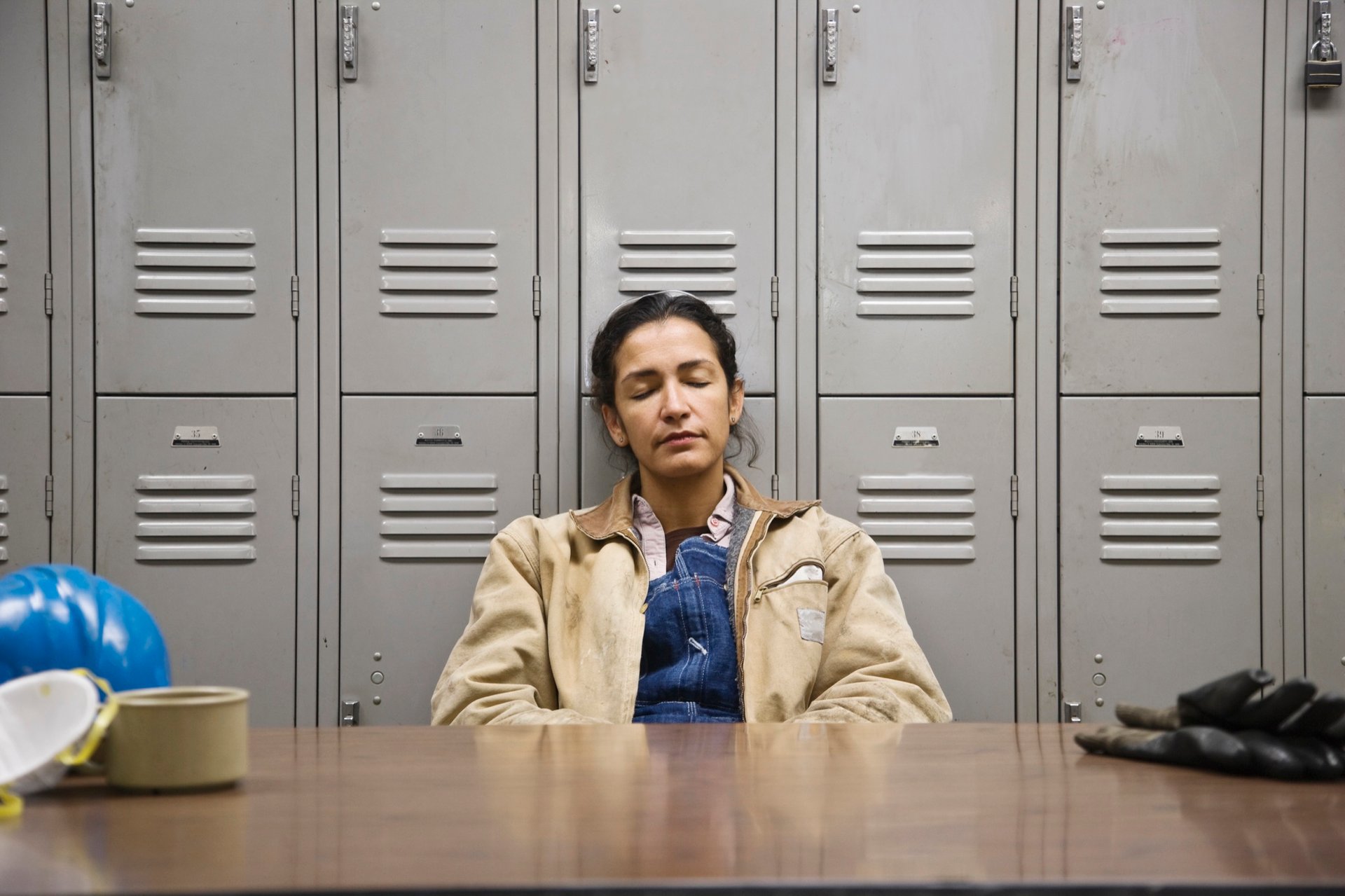
Does it seem our world is continually searching for some type of relief while quietly becoming more exhausted?
Does it feel like you are, too?
Many of us are publicly 'functioning' every day while underneath the surface, things are quietly unraveling.
We're smiling in conversations. Showing up for work. Caring for families. Continuing with life as normal while deep in our minds and bodies we're carrying questions, disappointments, concerns, and pressures that we rarely, if ever, get to say out loud. Underneath much of it sits a quiet fear: what if I'm not enough? What if I never will be?
Not successful enough. Not lovable enough. Not spiritual enough.
Everywhere we turn, there are messages telling us to become more, achieve more, produce more, or fix more. Social media, culture, comparison, and performance quietly convince us that our worth must be earned. So we keep striving while quietly losing ourselves underneath it all.
Having those questions bubbling below the surface becomes exhausting over time. It creates a constant pressure to perform and hold everything together. And when life becomes heavy, we naturally look for relief.
Some find relief through substances. For others it looks like perfectionism, control, overworking, endless scrolling, distraction, or staying busy enough to avoid what's happening inside.
It might seem extreme to call those things 'addictions', but if we are unable to stop doing things even when we know they are harmful to us, what else are we to call it?
It can be hard to slow down long enough to admit how tired we really are — or how disconnected we feel physically, emotionally and spiritually. Disappointment, grief, addiction, shame, anxiety, loneliness: any one of these can quietly shape our story, or still be shaping it.
If you're searching for relief, there's a woman whose life might feel surprisingly familiar.
In Mark 5:25-34, Jesus was on his way to heal a leader's daughter. A woman who'd been bleeding for 12 years heard Jesus was nearby. Quietly determined to find relief, she pressed through the crowd and touched the edge of his robe. Though he was surrounded by people, Jesus knew someone touched him. Not with just a hand, but with a desperate hope.
She'd spent those 12 years trying to get better and wasn't healed. She wasn't welcome in public society because of her condition. Yet the moment she touched Jesus' robe, she was healed.
And when Jesus asked who touched him, she came forward trembling with fear and told him the whole truth. Fully exposed, in front of everyone. That's the moment Jesus called her "daughter" and said, "your faith has healed you, go in peace."
She didn't have to be clean, composed, or have the answers. She simply had to reach out, and Jesus met her there.
There's something familiar and comforting about this story. In the moments we're falling short, when we've tried everything to change our circumstances, when shame has settled over every aspect of our lives and we feel hopeless, we can look to this woman who was desperate for change, and Jesus met her right where she was. In the middle of the crowd, in the middle of her exhaustion, she wasn't a problem that needed to be managed, but a human being who was seeable and lovable.
This story translates across time. For those who feel like they've tried everything and are still searching for relief, it's a reminder that Jesus is near, that he sees us and that he cares deeply for each one of us. We might not always be healed in an instant, but Jesus promises to see us through.
Maybe beneath all our striving is a longing for connection. A longing to feel seen, loved, and safe.
Jesus' words in Matthew 11 land differently for people who have felt like they're not enough. He says, "come to me, all you who are weary and burdened, and I will give you rest." This isn't about having it all together. He's inviting us to bring the questions, the exhaustion, the relapses, the shame and the parts of our story that feel too heavy to carry.
Make no mistake about it, Jesus is not distant in the middle of 'real life'. Most of the stories we read about him show him being extremely present in the midst of circumstances that are filled with pain and hardship.
If you feel desperate, grieved, or stuck in addiction, Jesus is present.
If you're wrapped in anxiety — asking if you're enough — or you're disappointed in yourself because you've failed to keep promises you've made, Jesus is present. Closer than you even realize.
What would it feel like to invite Jesus into your exhaustion, or shame, or into the very habits you keep turning to for relief?